

With submissions to the John Bird Haiku Dreaming Award opening in the first week of November, it is a good moment to remember the poet whose name it carries.
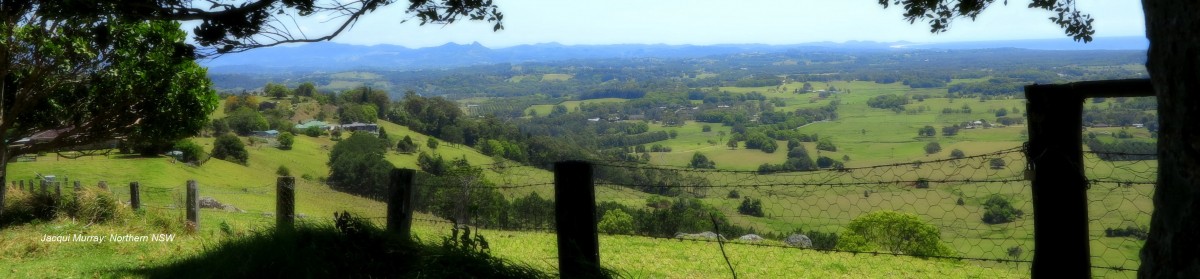
John Bird was a respected Australian haiku poet, a generous mentor to those who followed him, and a co-founder of the Australian Haiku Society. Born in the Bundjalung country of north-eastern New South Wales, he wrote from the place he knew: the Brunswick Valley, the slopes around Wollumbin, and the seasonal ginko he shared first with his mother and later with the Cloudcatchers haiku group. His own writing draws on burning cane, lorikeets, bottlebrush and southerlies, the real texture of somewhere specific.
In 2006 he began Haiku Dreaming Australia and its Dreaming Collection, a showcase of the best Australian haiku. It grew from a concern he called ‘homogenous haiku’. As more Australian poets sought a place on the world stage, he feared that many were writing to satisfy overseas editors and judges, and drifting into a “haikuland populated by worldpersons”. His question was disarmingly simple: if our haiku refer to nature, shouldn’t it be the nature where we live, and shouldn’t the people in them be the people we actually live, work and love with? His remedy was modest. Not cultural isolation, but awareness, and the discipline of writing about the here and now.
His thinking on kigo was just as clear-eyed. In 2001 he set out to find Australian season words and turned up only a handful that held across the whole continent, mostly human observances and events such as Australia Day, Anzac Day and the Melbourne Cup. He called it a failed search, and concluded that Australia would never have an equivalent of Japan’s kigo tradition or a national saijiki, and that “Australian kigo” was an oxymoron. Wattle, once his favourite candidate for a late-winter word, blooms somewhere in the country every day of the year, and how many seasons should we count anyway: two in the Top End, four in Tasmania, seven in parts of the south-west?
He did not abandon seasonality. He explored season indicators for his own north-eastern New South Wales region but found little interest in formalising them. Where the season matters to a poem, he suggested simply naming it, whether spring, late summer or winter wind. For depth and resonance he looked elsewhere: to Australian keywords such as Uluru, Dreaming, Anzac and Phar Lap, and to the long cultural history of First Nations People.
John’s questions are still worth asking today. The Award bearing his name continues his encouragement of haiku written from an authentic sense of place, wherever in the world its poets live. Full details of the 4th John Bird Dreaming Award for Haiku will be announced when submissions open in November.
Discover more from Australian Haiku Society
Subscribe to get the latest posts sent to your email.
Interesting background. As the Jacarandas bloom around Brisbane, I wonder if the search for Australian seasonal indicators is truly over. Jacarandas are imports of course, like most of us, but perhaps as we learn to see our landscapes more clearly, we’ll find some clues. They won’t be shared across the nation, but we shouldn’t expect that, living on a vast land mass, but they will belong.
Excellent background read for the upcoming John Bird Dreaming Award
Nice article. Thanks!